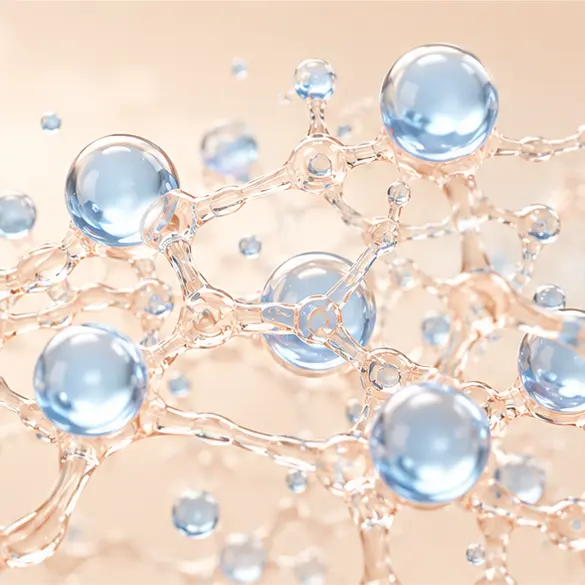


PN, considered for the skin’s moisture and extracellular matrix environment
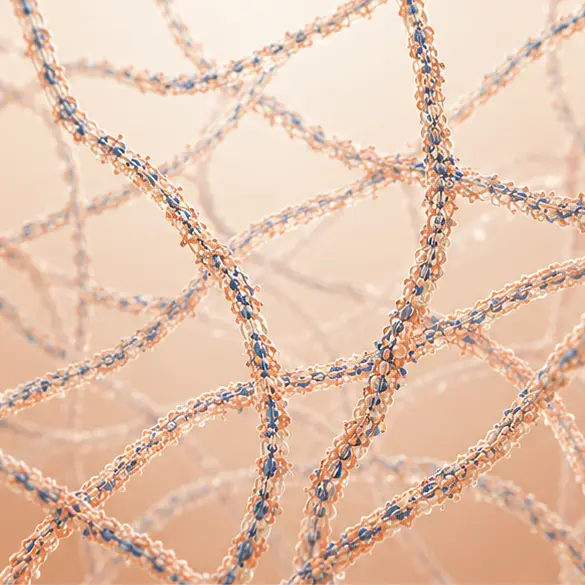
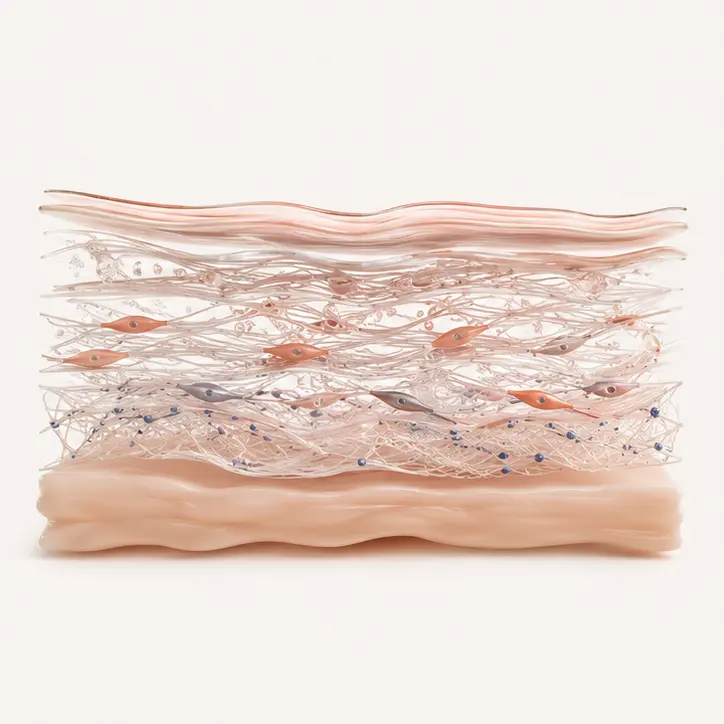
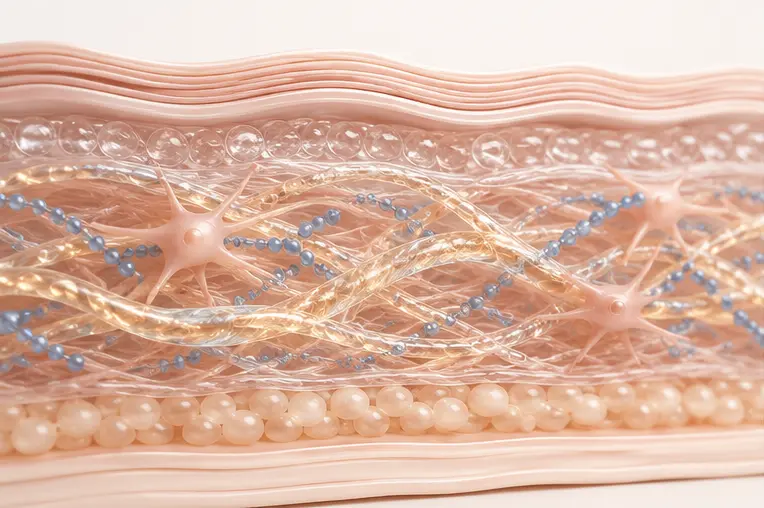
Long PN chains interact with water, and are proposed to form a temporary scaffold-like network within the dermis.

PNAwakening the skin’s own condition —
a premium PN skin booster
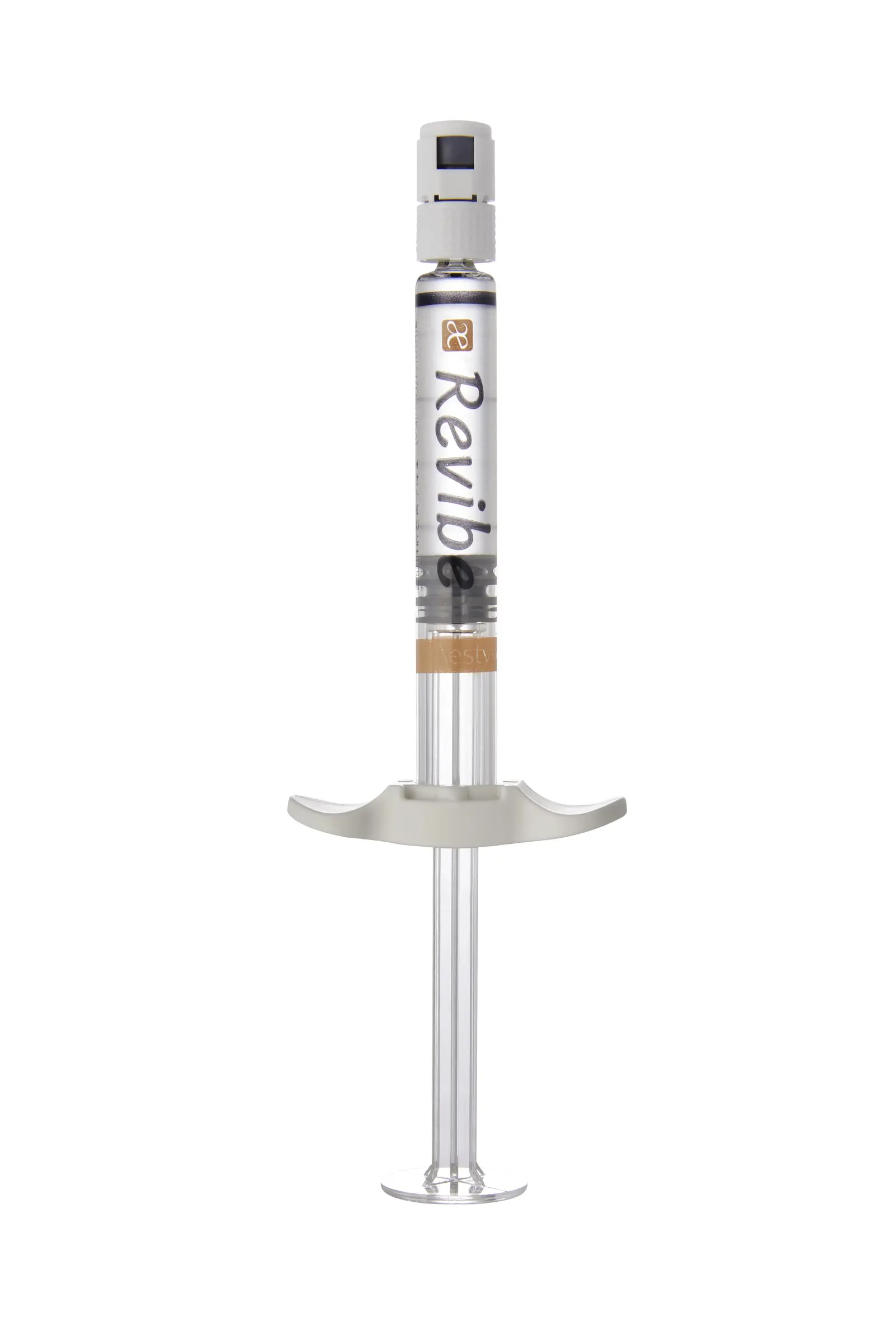
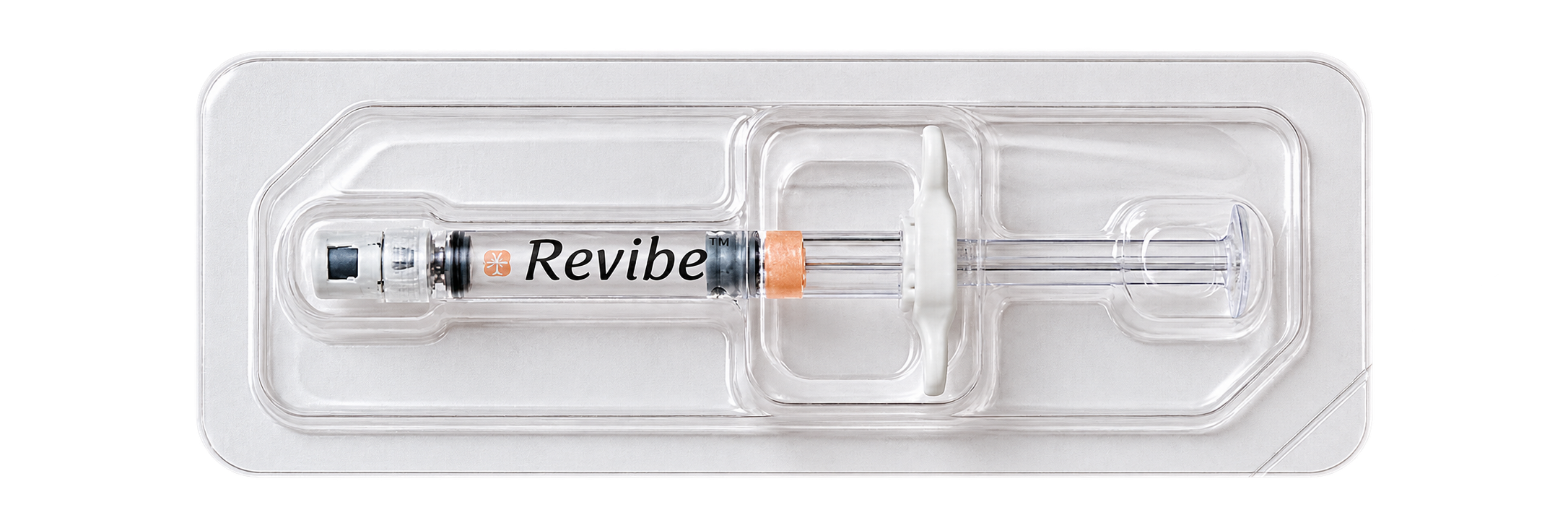
PN 30 mg and hyaluronic acid 10 mg in a single 2 mL prefilled syringe — addressing skin condition and moisture environment together.

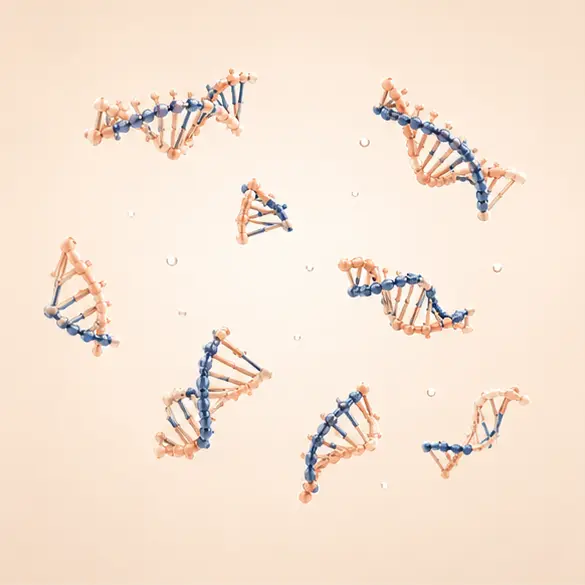
Refined from salmon-derived DNA, PN is a hydrophilic polymer chain formed by many nucleotides linked end to end.
Long PN chains interact with water, and are proposed to form a temporary scaffold-like network within the dermis.
A polymer form in which nucleotide units are repeatedly linked.
Long chains interact with water to support a moisture-retaining environment.
A scaffold-like network within the dermis has been proposed.
Two core axes of skin condition, in one prefilled syringe.

Built on salmon-derived PN, directed at texture, firmness and overall skin condition.

Supports moisture retention and complements the viscoelasticity and feel of the PN formulation.
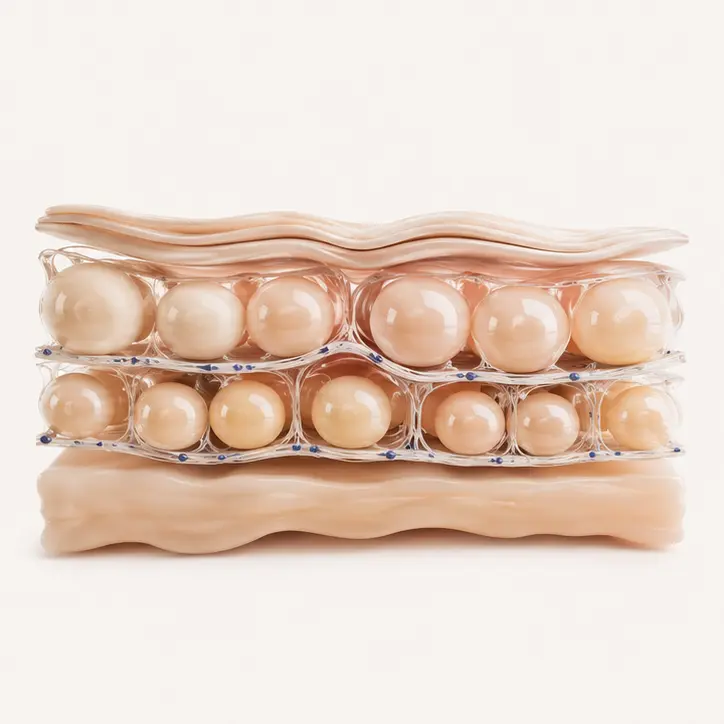
PN acts as a hydrophilic polymer scaffold and HA as a moisture-retaining environment, together supporting skin quality.
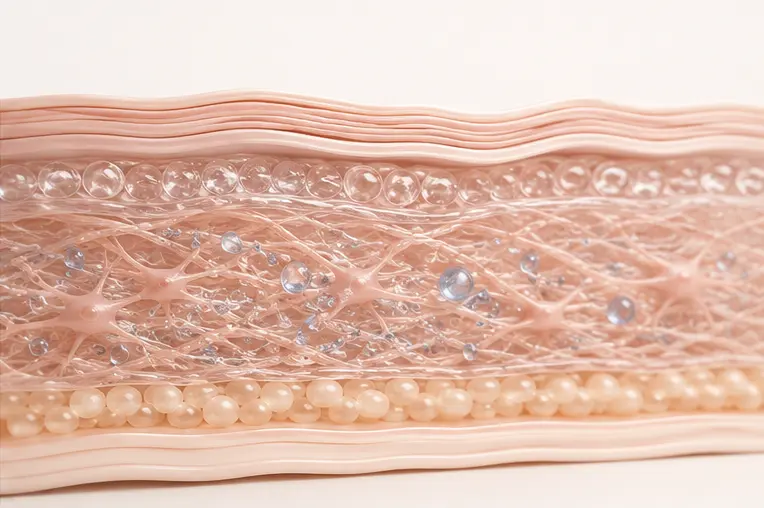
Long PN chains disperse evenly through the dermal environment.
The PN network forms an environment that holds water molecules.
Supports an environment favourable to cell activity and tissue remodelling.
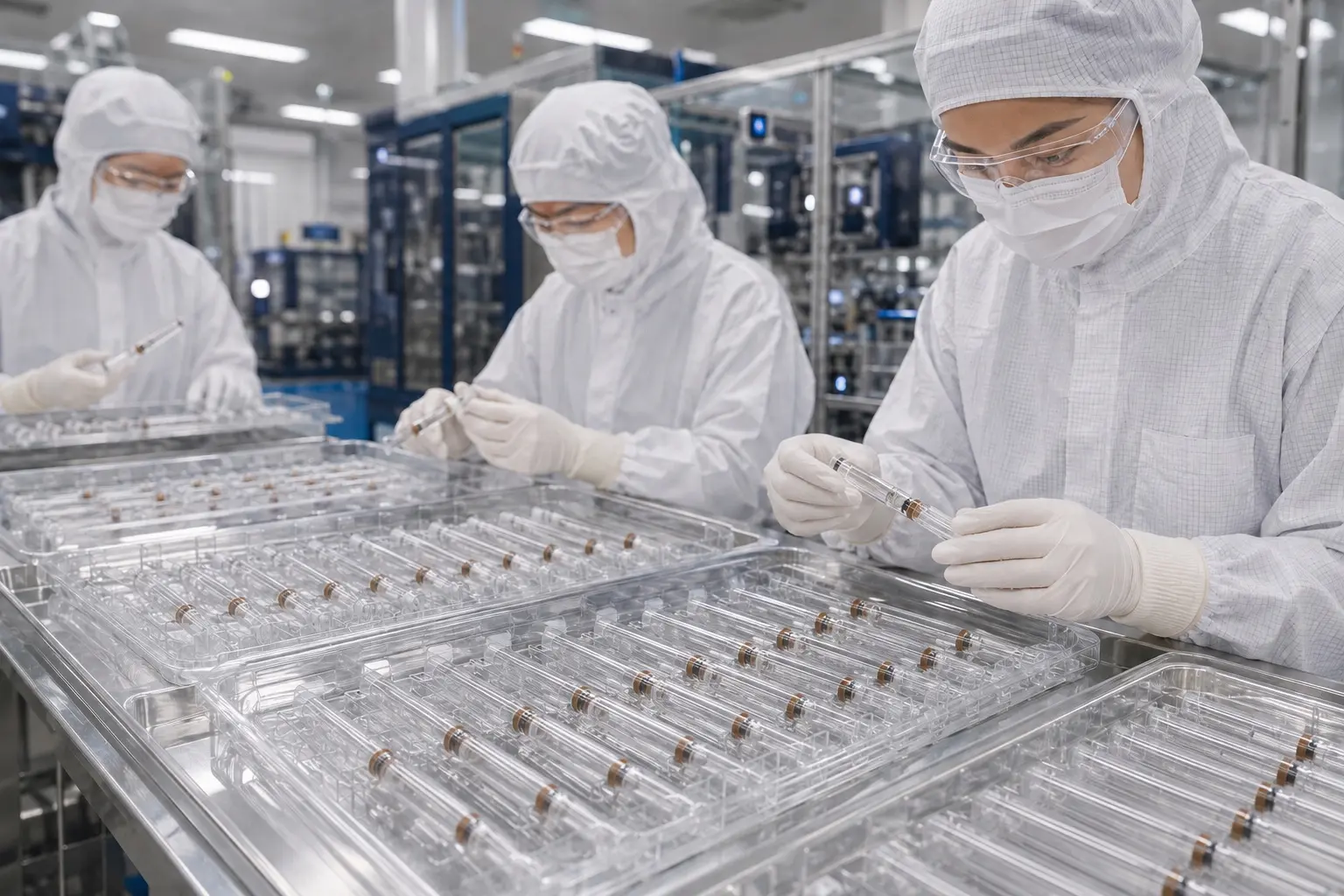
A clean supply chain, extraction and purification, and finished-product quality control — connected by a single standard.

DNA material selected from a controlled supply chain.

A control system spanning aquaculture, DNA material and production.

Quality criteria carried from material selection through to manufacture.
Physiological pH and osmolality were tuned with the discomfort typical of PN formulations in mind.
Revibe’s formulation approach, directed at a more comfortable procedure from start to finish.
Formulated to reduce the irritation that arises from a pH gap with the tissue environment.
Designed to ease the pain and swelling that follow a concentration gap with body fluid.
The terms are often used interchangeably, but PN generally refers to longer polymer chains and PDRN to shorter DNA fragments.
POLYNUCLEOTIDELong polymer chain · viscoelasticity · potential network formation
POLYDEOXYRIBONUCLEOTIDERelatively short DNA fragments · studied mainly for biological signalling
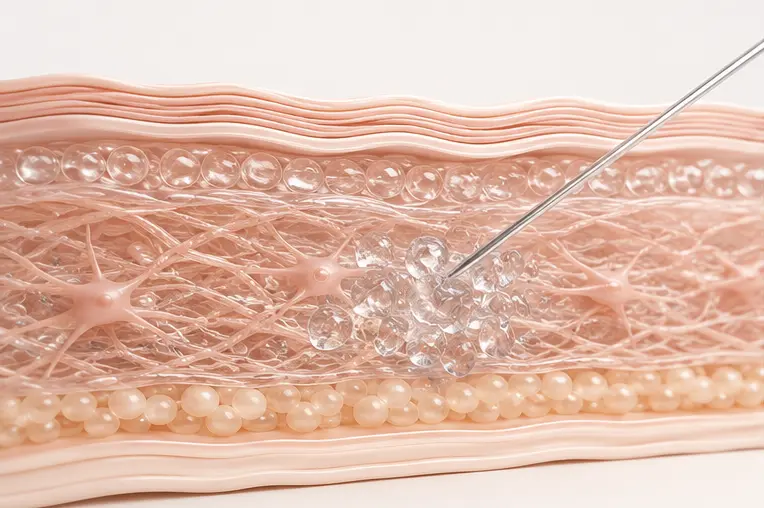
After microinjection into the dermis, PN and HA are designed to interact with the moisture and extracellular matrix environment.


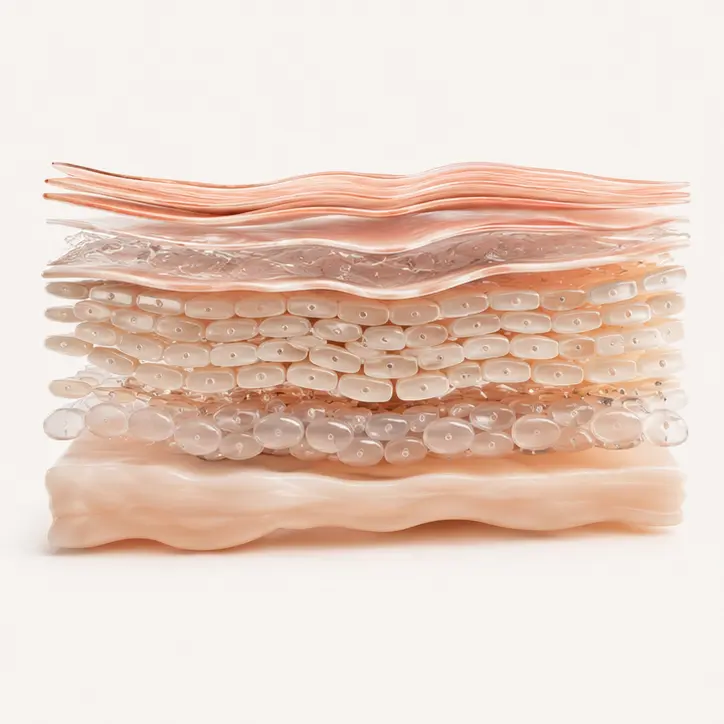
The stratum corneum and epidermal cells form the barrier that protects skin from external stress.

Home to collagen, elastin and fibroblasts — the target area for PN + HA delivery.

Adipocytes and connective tissue form the lower structure that cushions and supports.
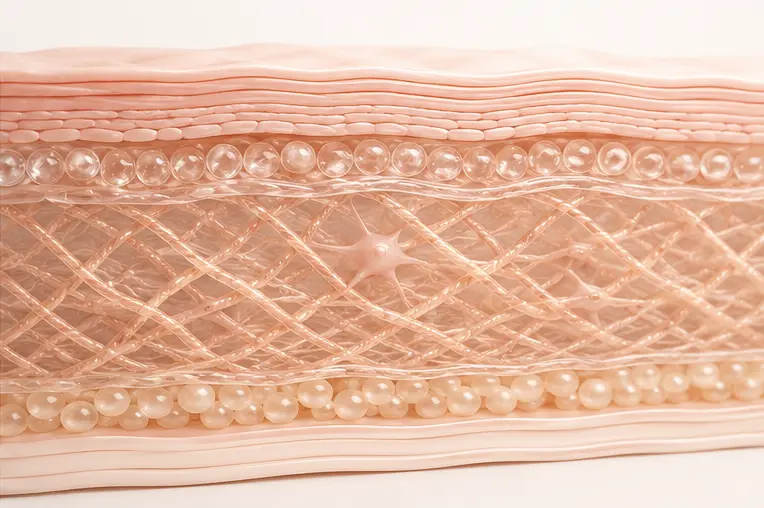
3D tissue imagery showing how PN and HA disperse within the dermis and interact with the moisture and extracellular matrix environment.

PN and HA disperse finely through the target dermal area, with HA helping form an immediate moisture-retaining environment.

The early stage in which the hydrophilic polymer network interacts with water and the treated tissue environment settles.

Long PN chains interact with the extracellular matrix and fibroblasts, supporting gradual tissue conditioning.

Moisture, firmness and texture recover in balance, supporting a denser and healthier skin environment.
Rather than a single symptom, clinicians assess overall skin quality — moisture, barrier, texture, firmness — to judge suitability.
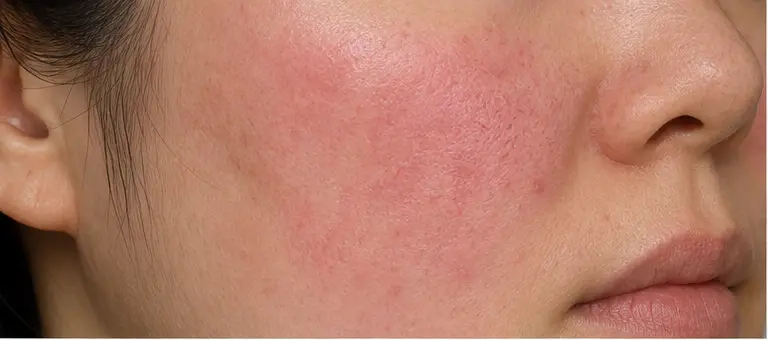
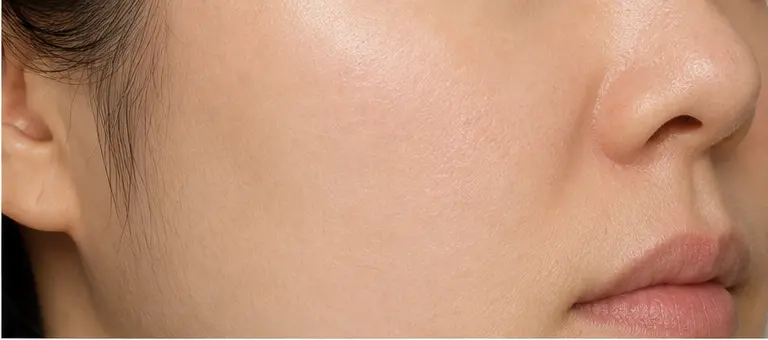
Skin with recurring redness and discomfort that needs barrier recovery
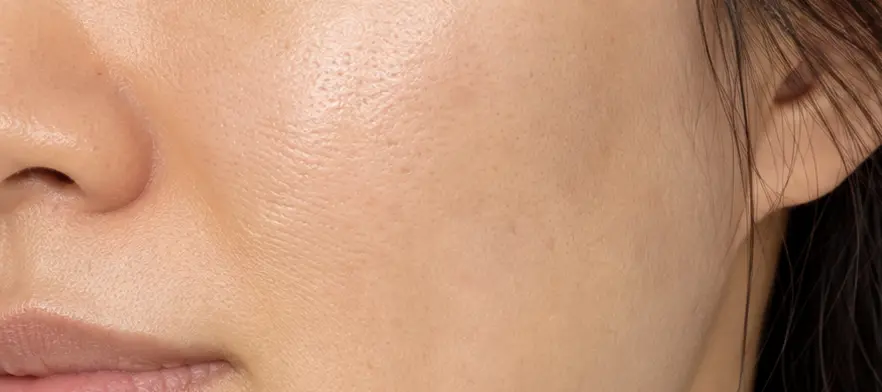
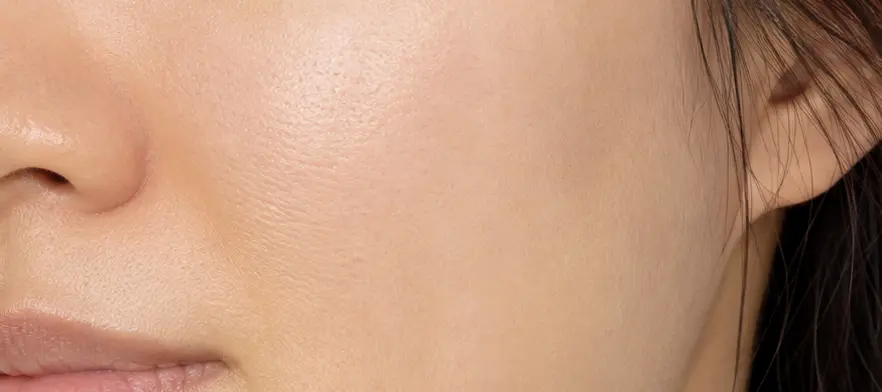
Skin with fine irregularities and enlarged pores that needs refining
Hydration and radiance conditioning for skin that holds little moisture and looks dull
Skin that needs both dermal support and firmness conditioning
Where a stable maintenance plan is needed after skin-quality treatment
Sensitivity, texture and hydration compared on the same area.
From recurring redness and reactivity toward an even, comfortable barrier condition.
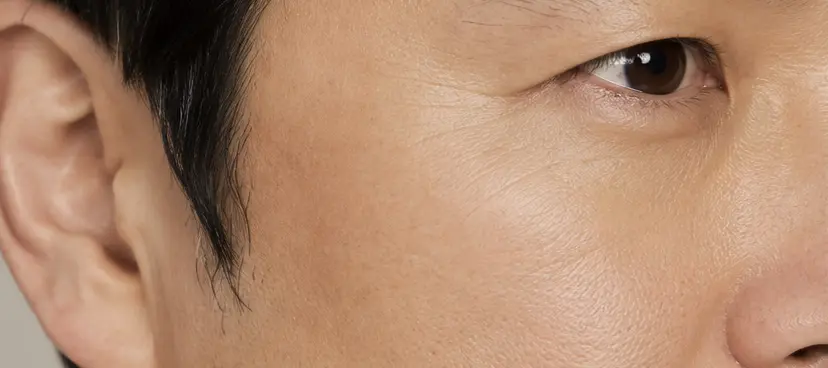
BEFORE
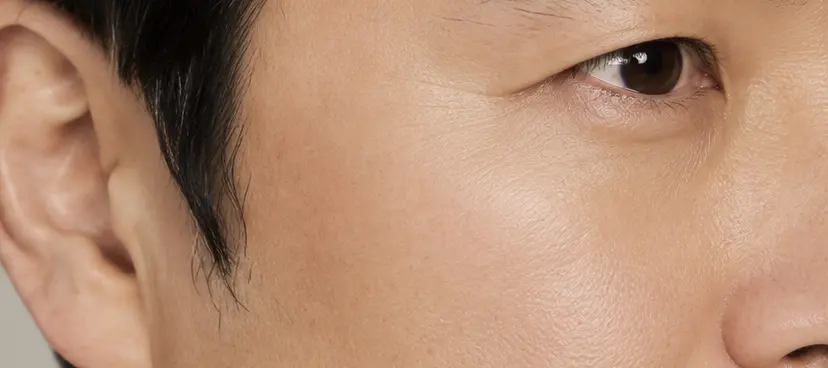
AFTERRough irregularities and prominent pores move toward a smoother, more refined surface.
BEFORE
AFTERFrom dull, dehydrated skin with fine dry lines toward a supple, luminous finish.
BEFORE
AFTER
| Product name | Aestyve Revibe |
|---|---|
| Category | Tissue-repair biomaterial |
| Approval no. | No. 22-561 |
| Composition | Sodium polynucleotide 1.5 mL / 30 mg Hyaluronic acid 0.5 mL / 10 mg |
| Total volume | 2 mL × 1 prefilled syringe |
| Packaging | 1 unit per box |
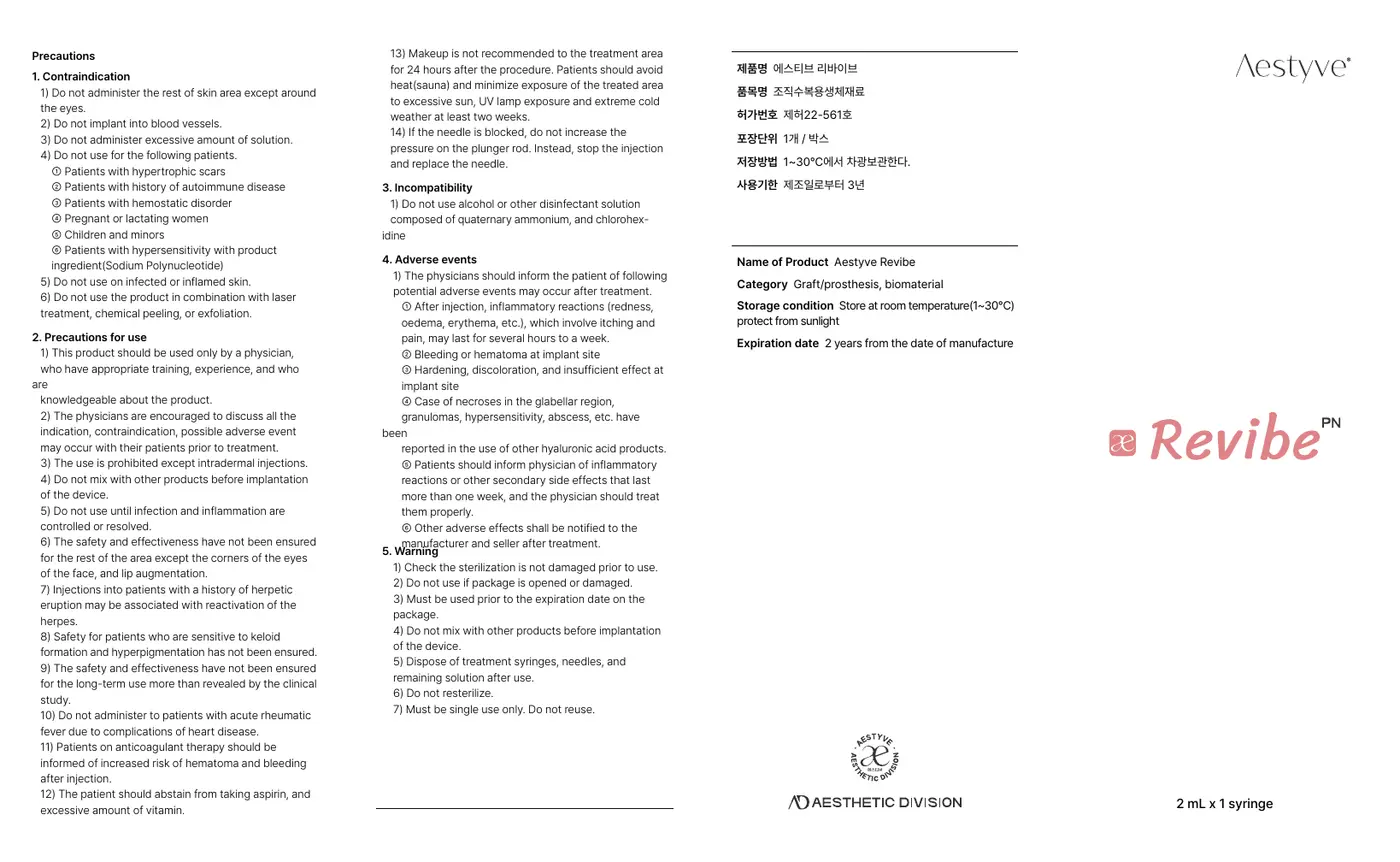
| Storage | 1–30 °C, protected from light and direct sunlight |
| Shelf life | 3 years from date of manufacture |
Before opening, check the packaging for damage and confirm the product details, lot number and expiry date. Keep the sterile packaging intact.

Product information and lot marking

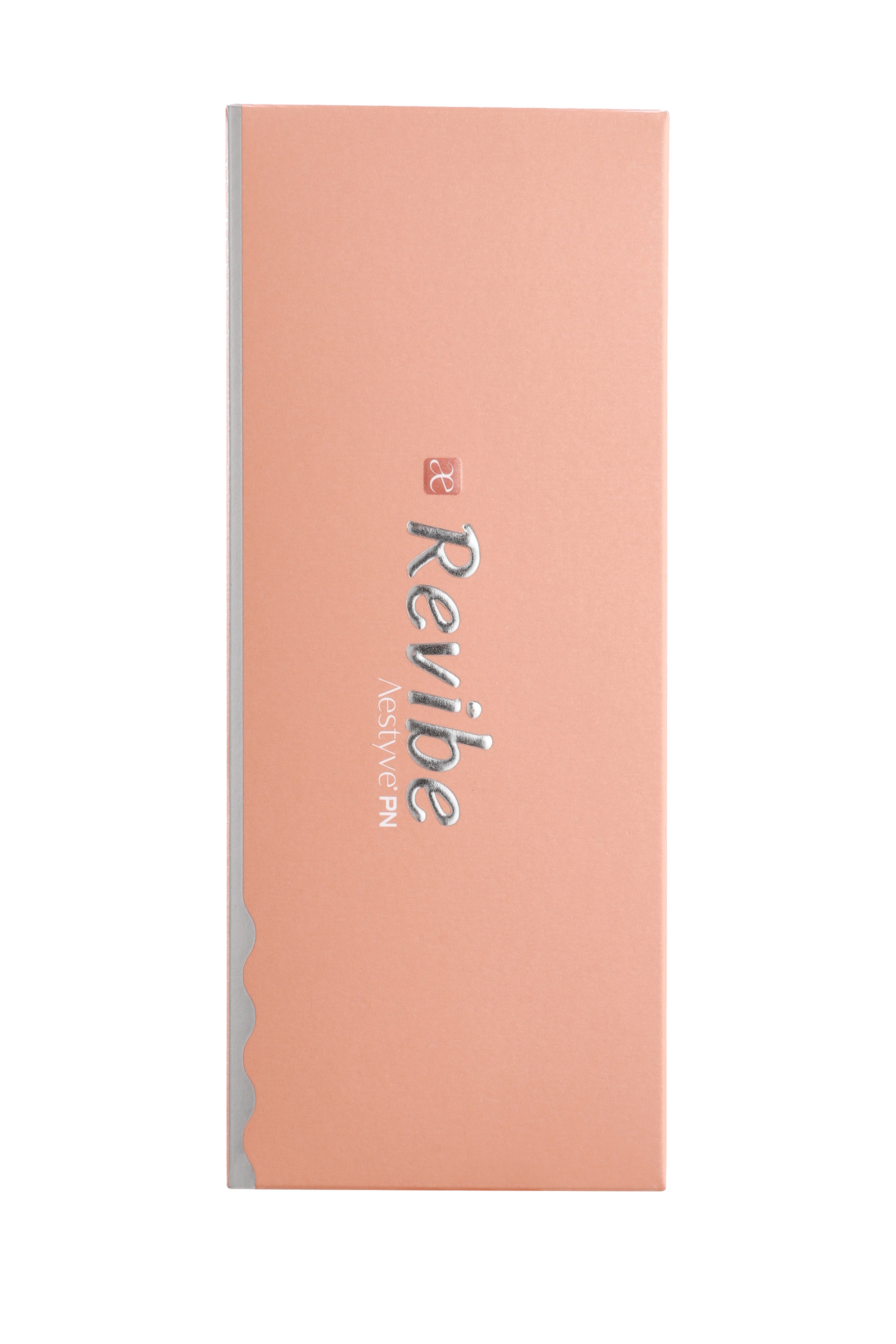
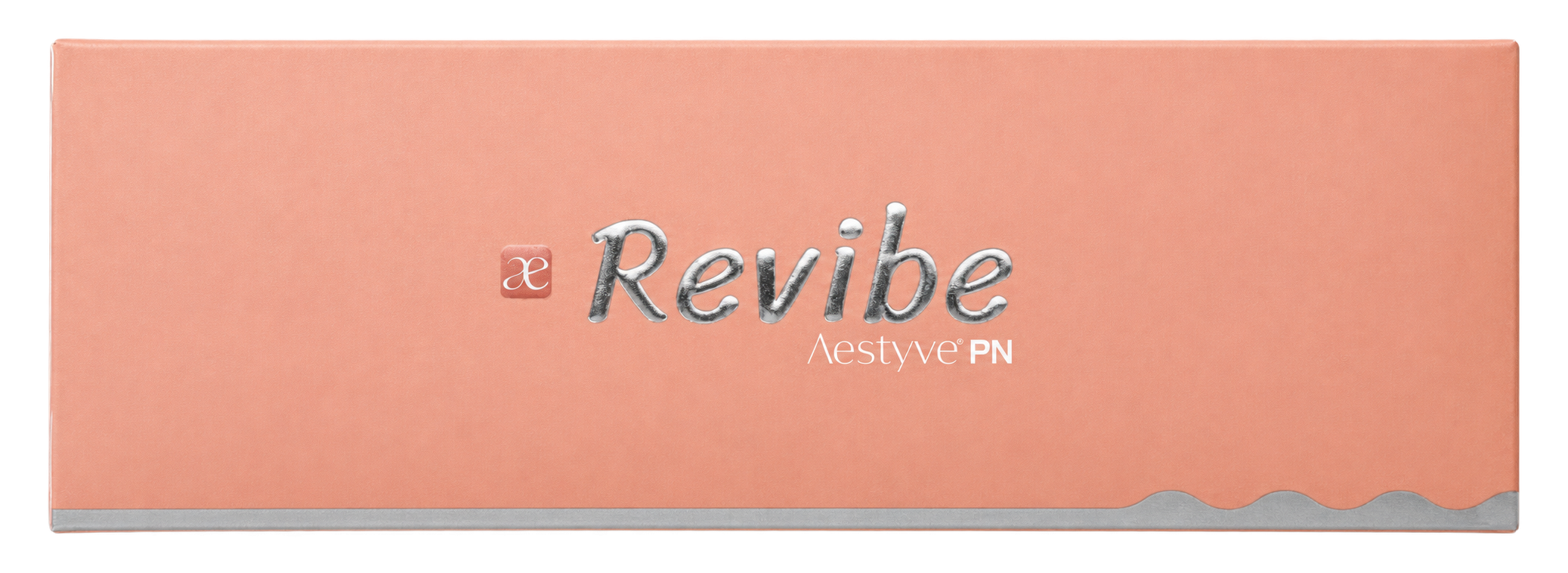
2 mL × 1, sterile packaging

Intended use and precautions
Micro point injection into the dermis is the baseline; clinicians adjust for skin thickness, site and patient condition.
Check pigmentation, pores and redness before treatment.
Prepare the Revibe PN syringe and sterile instruments.
Set an even treatment map along the facial contour.
Provide soothing care, then explain the precautions.
Key clinical findings on improvement in skin-quality measures
Promising results for wrinkles, texture and firmness; evidence level low to moderate.
Sustained improvement in firmness and hydration was higher in the PN group than the HA group.
Skin roughness −17.1% · firmness +39.6% · radiance +51.1%.
If any symptom concerns you, contact the treating clinic immediately.
Follow clinical guidance on cleansing and make-up, and do not rub the treated area.
Avoid intense exercise, saunas, alcohol and strong heat.
Keep skin comfortable with sun protection and ample moisturising.
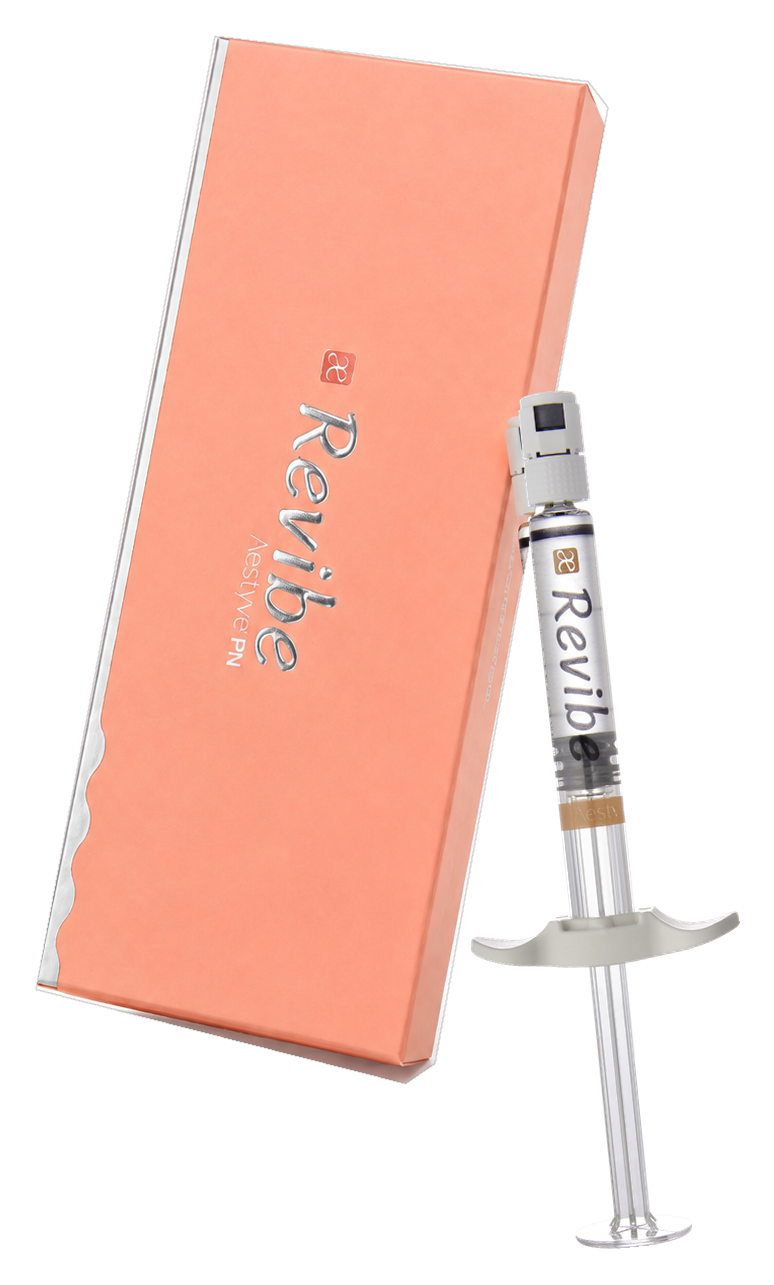
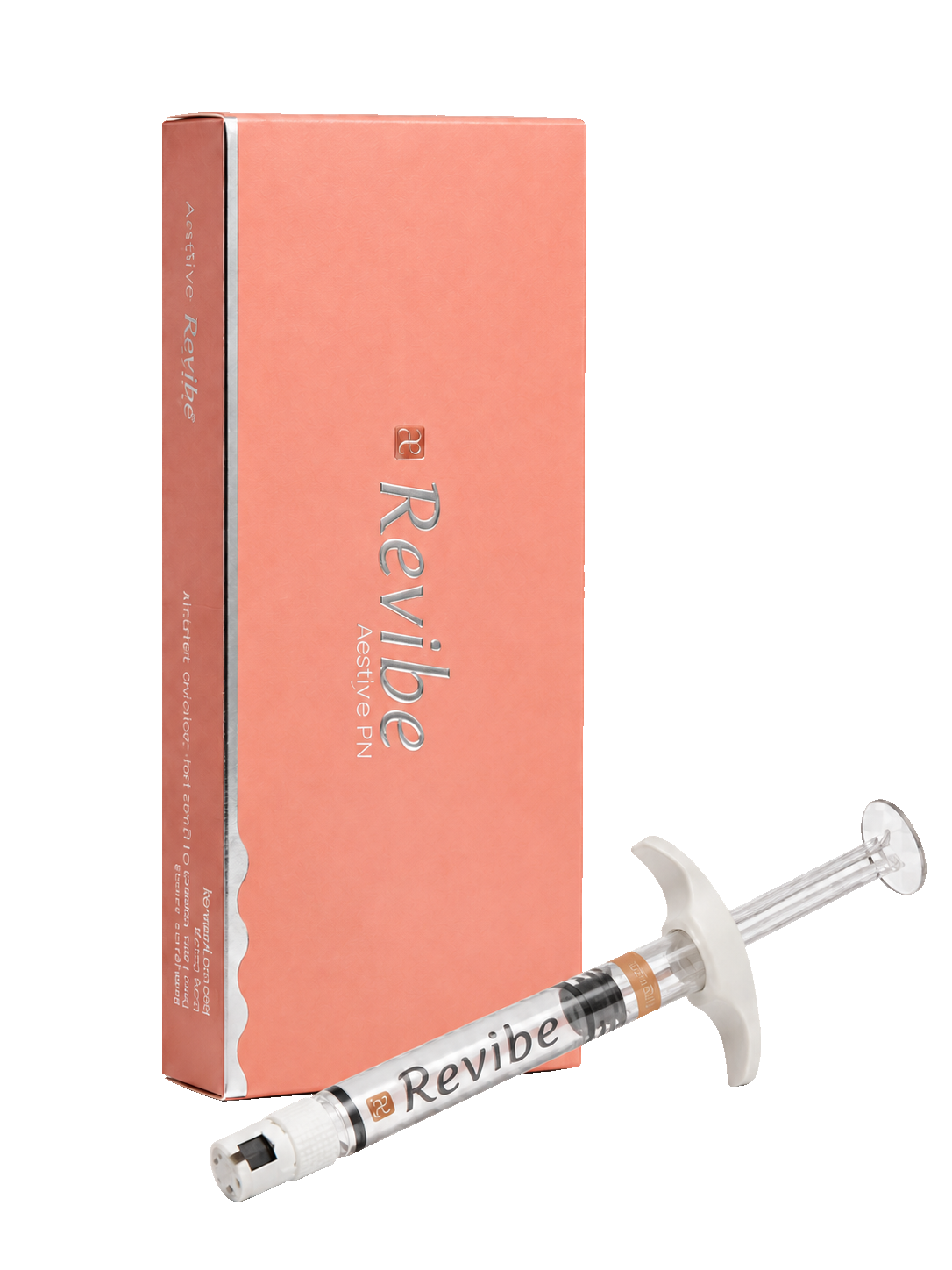
PN 30 mg + HA 10 mg · 2 mL / Box
Consult a qualified clinician for a treatment plan suited to your skin.

※ This page is informational material based on the product and related literature.
※ Actual manufacturing and testing items must be confirmed against the manufacturer’s specification and quality documents.
※ Before use, check the official instructions for use (IFU), approval conditions and country regulations.